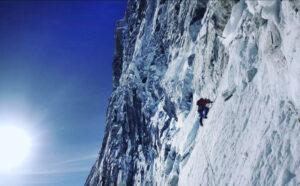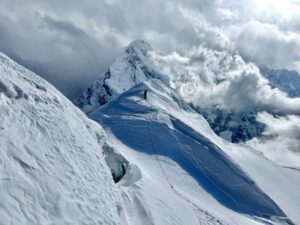
A major storm is approaching Nepal’s Himalaya, and it is expected to worsen throughout this week. Most climbers are sheltering at lodges down the valley, but trekkers may be the most affected. Few are equipped for the big dump of snow expected shortly.
The Severe Cyclonic Storm, already known as Cyclone Montha, is approaching the east coast of India from the Bay of Bengal, Everest Today reported. It will affect the higher Himalayan regions of Nepal from Tuesday through Friday, with heavy snowfall and strong winds. It is expected to peak this Friday.
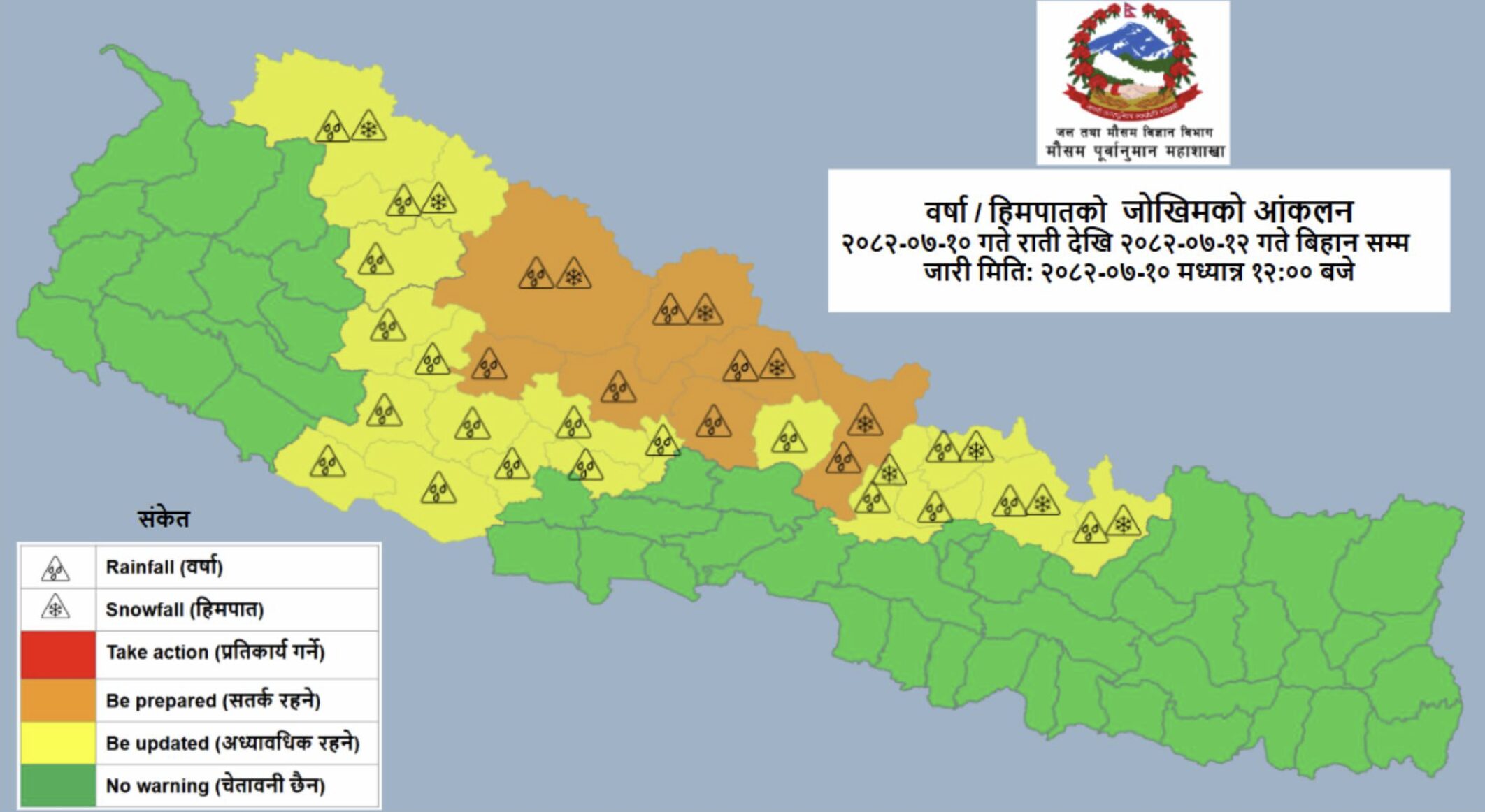
Nepal’s Department of Hydrology and Meteorology issued a warning bulletin today, translated into English by entrepreneur and travel consultant, Raj Gyawali:
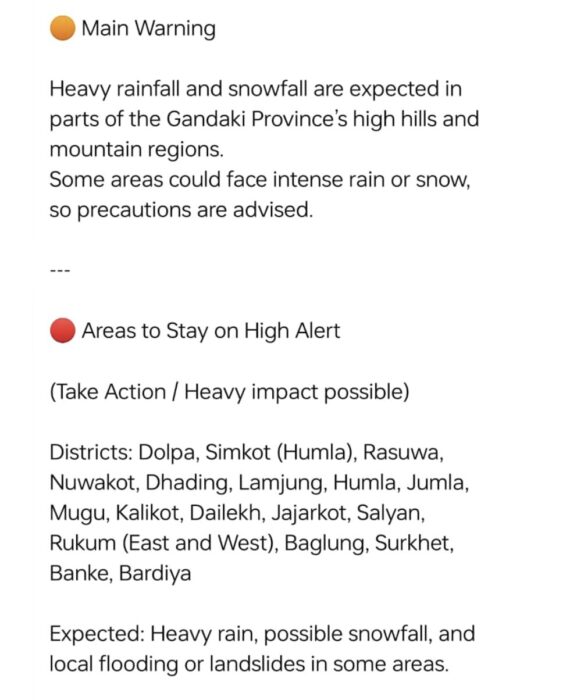
The weather warning issued today by Nepal’s Department of Hydrology and Meteorology. Credit: Raj Gyawali/Facebook
Annapurna alert
Roland Hunter of The Mountain Company has been tracking the storm to keep his trekking groups informed about the threat. Five days ago, it looked like the Kangchenjunga region would bear the worst of it. However, more recent charts suggest that the Annapurna region, further west, will suffer most.
“Tomorrow, the Annapurna [area] will get 22mm, with the heaviest rain expected on Friday with 68mm of rain (or snow, depending on the altitude),” Hunter noted.
He explained that trekkers doing the Annapurna Circuit should carefully consider whether they want to risk hiking up the Thorong La (5,416m), the high point of the trek, or even driving in the Kali Gandaki area, which is prone to flooding.
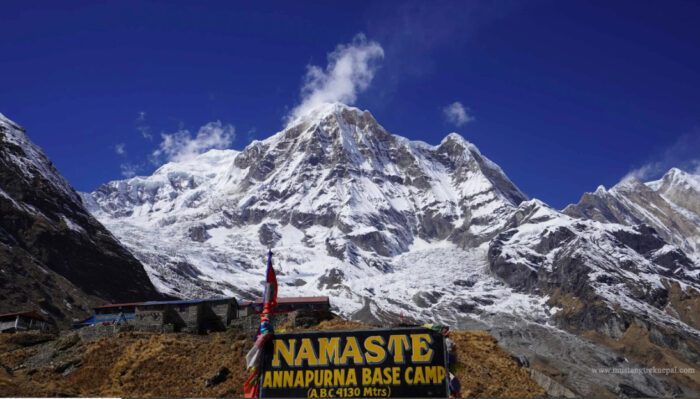
At Annapurna’s south side Base Camp, a popular trekking spot. Photo: Upper Mustang Trek
Trekkers less equipped
Climbing expeditions are prepared for rough weather and deep snow. However, the most popular treks in Nepal typically avoid venturing into ice and snow, as the trails remain off the glaciers. Trekkers do not carry loads of “just in case” gear with them, opting instead for versatile, lightweight clothing. They typically wear light hiking boots — some even insist on trail runners. Trekking equipment is based on a layering system that works in a wide range of temperatures. But dealing with half a meter of fresh snow on a 5,000m pass is a different story.
During a similar storm earlier this month, hundreds of hikers in Tibet were stranded and had to be helped down the valley. They were trekking in the Kangshung region near Everest, and made worldwide headlines when mainstream media assumed they were all stranded while actually climbing the mountain.
Climbers in the Khumbu shared some footage of that snow dump in the Khumbu. Below, a short clip from Lucien Bocansaud in Chukhung village: